Machine vision: the digital eyes of quality control
OVOCONCEPT and TJMI are now incorporating machine vision capabilities to offer increasingly high-performance solutions to food industry manufacturers.
Machine vision enables product conformity checks to be performed directly on the production line.
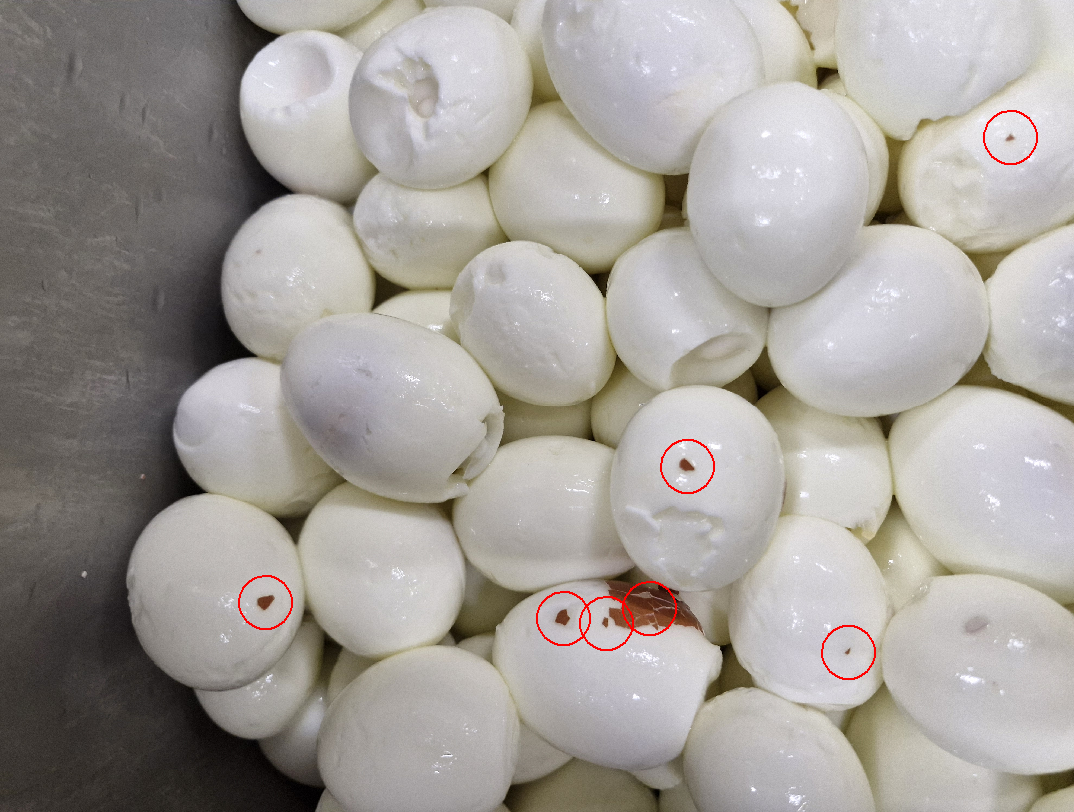
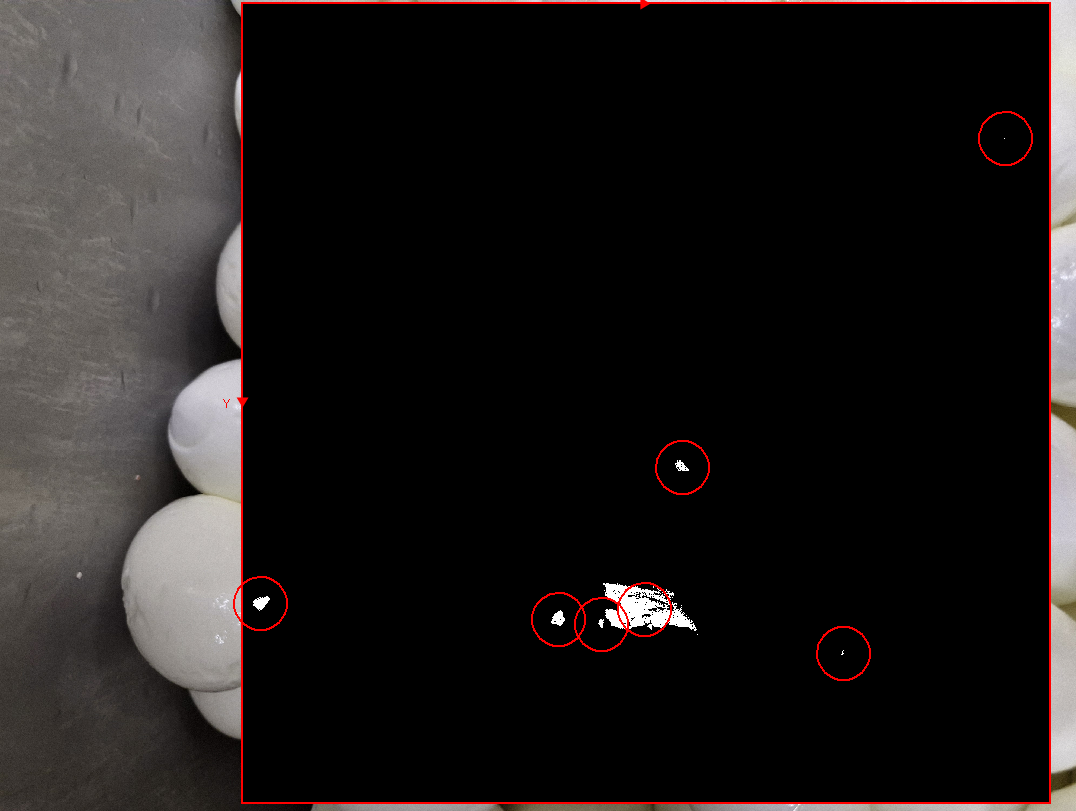
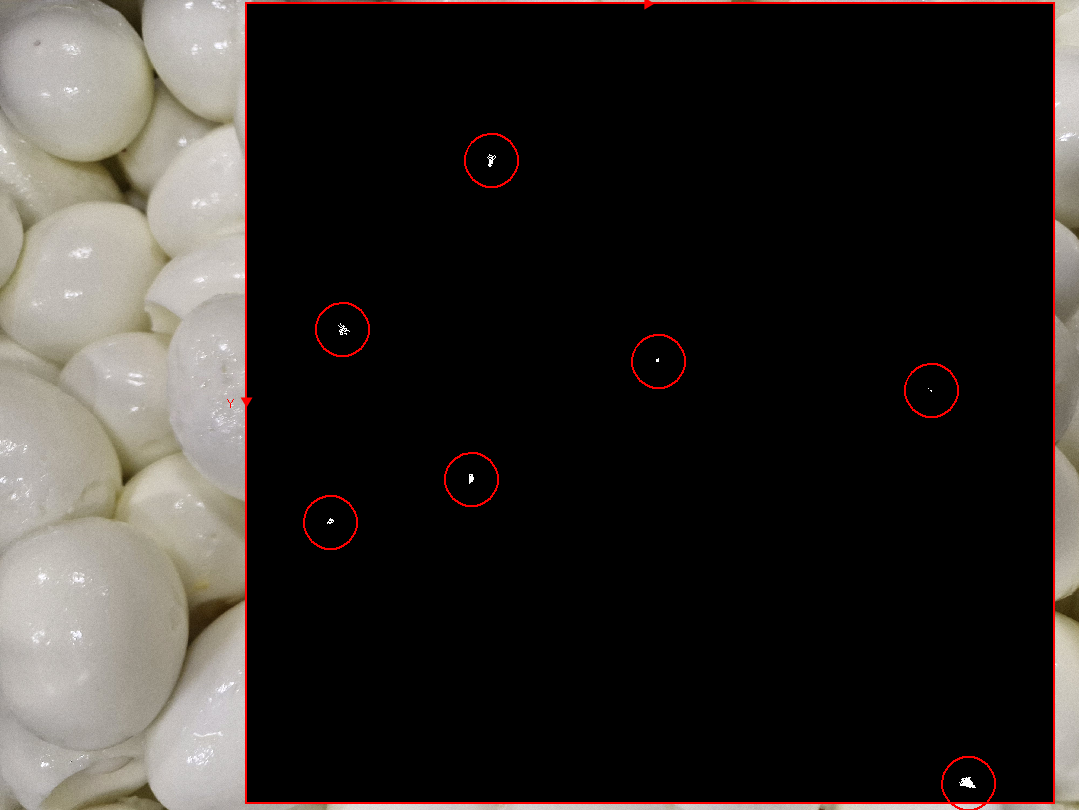
Using cameras, specialized lighting, and image analysis algorithms, these systems precisely identify defects, markings or identification codes, shapes, colors, product appearance, and even the presence of unwanted foreign objects.
This technology addresses the limitations of human visual inspection, particularly in repetitive tasks that require sustained concentration over time.
While fatigue can gradually impair attention and consistency during manual inspection, a vision system ensures continuous, uniform analysis based on predefined criteria.
However, machine vision is not limited to quality control. It can also guide robotic actions—such as identifying a non-conforming product, locating a shell fragment or piece of plastic, and transmitting its position to the robot so it can be removed from the line.
Key benefits
Integrating machine vision addresses several major challenges faced by food industry manufacturers:
- Make quality control more reliable,
- Reduce errors associated with fatigue and repetition,
- Minimize scrap and rework by detecting non-conformities as early as possible,
- Reduce the risk of poor quality by preventing defective products from continuing along the process flow,
- Improve productivity by enabling operators to focus on higher value-added tasks,
- Operate automated equipment, particularly robots capable of taking action based on information transmitted by the vision system.
Return on investment
Depending on the application, machine vision systems can:
- Achieve more than 99% accuracy in certain detection applications,
- Help reduce inspection costs by 30% to 50%, according to a study by the firm McKinsey,
- Limit late detections, achieving a 37% to 70% reduction in the scrap and rework rate.
Return on investment naturally depends on the process, volumes, and desired level of automation, but it can be achieved within 6 to 12 months, with Forrester studies showing an average ROI of 374% over three years.
Tech Focus
From detecting the smallest defect to analyzing dimensional characteristics, vision systems adapt to the specific needs of the agri-food industry.
Integrating these systems into lines designed by TJMI and OVOCONCEPT enables a higher level of automation and process control.
With the addition of an experienced machine vision project manager to our team, we offer a comprehensive approach: ranging from consulting and analysis to custom design, system configuration, and launch support.
This new capability strengthens the ability of TJMI and OVOCONCEPT to support manufacturers in addressing their quality, productivity, and automation challenges.